
Writen by
Kalkaalo Medical
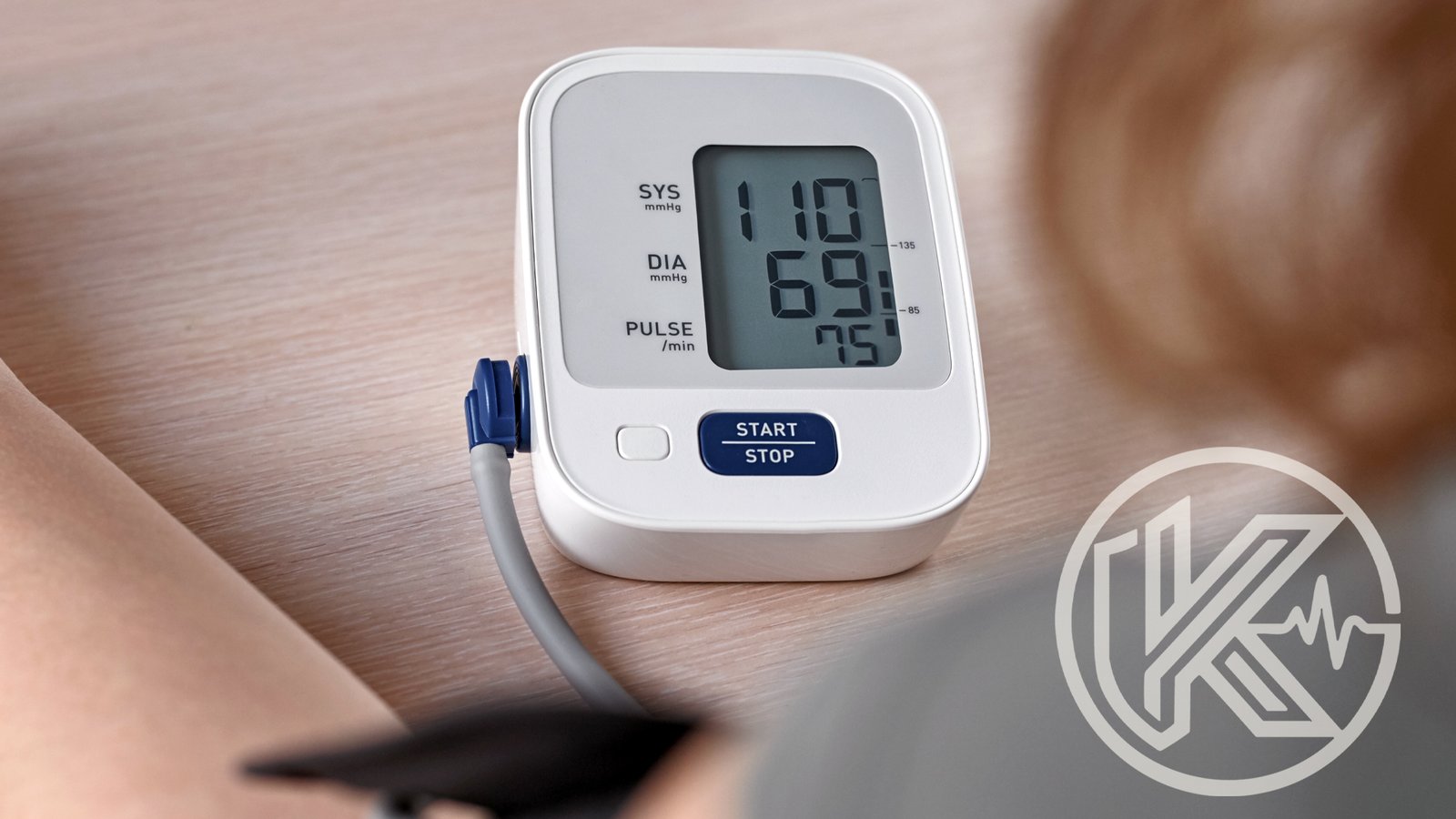
Blood pressure is a fundamental indicator of cardiovascular health, yet the two numbers that define it—systolic and diastolic—are frequently misunderstood. This confusion can lead to missed opportunities for timely intervention or, conversely, unnecessary anxiety.
Understanding exactly what these figures represent is crucial, as chronic high blood pressure (Hypertension) is a silent killer, significantly increasing the risk of heart attack, stroke, and kidney failure.
What the Two Numbers Actually Mean
A blood pressure reading is given as a fraction, such as 120/80 mmHg, where the unit is millimeters of mercury (mmHg).
1. The Top Number: Systolic Pressure (The “Working” Phase)
- What it is: This number measures the pressure in your arteries when your heart beats (contracts) and pushes blood out into the body.
- Significance: It reflects the force your heart has to exert and the overall stiffness and resistance of your major arteries. High systolic pressure (especially after age 50) is considered a major risk factor for cardiovascular disease.
2. The Bottom Number: Diastolic Pressure (The “Resting” Phase)
- What it is: This number measures the pressure in your arteries when your heart is at rest (between beats) and refilling with blood.
- Significance: It reflects the minimum pressure your arteries are constantly under. While both numbers matter, diastolic pressure is often more important for younger adults in determining early hypertension risk.
The Common Misunderstandings
People often make these critical mistakes when interpreting their readings:
Misconception 1: Only the Systolic (Top) Number Matters
- The Reality: Many people focus only on the top number, especially if they are over 50. However, the diastolic pressure (the bottom number) is an early warning sign. Elevated diastolic pressure, even if systolic is normal, can signal an increased workload on the heart and requires medical attention, particularly in younger individuals.
Misconception 2: Blood Pressure Is Static
- The Reality: Blood pressure fluctuates constantly throughout the day. It can rise due to stress, caffeine, exercise, anxiety (known as “white-coat hypertension” in a doctor’s office), or even a full bladder. A single high reading does not define hypertension. Diagnosis requires consistently elevated readings taken over several separate visits.
Misconception 3: “Normal” is a Universal Number
- The Reality: While the general guideline for “normal” is below 120/80 mmHg, the acceptable range can vary depending on your age, pre-existing conditions (like diabetes or kidney disease), and current medications. What is acceptable for a healthy 30-year-old might be too high for an 80-year-old with multiple health issues.
| Category (ACC/AHA Guidelines) | Systolic (Top Number) | AND/ | Diastolic (Bottom Number) |
| Normal | Less than 120 | and | Less than 80 |
| Elevated | 120−129 | and | Less than 80 |
| Hypertension Stage 1 | 130−139 | or | 80−89 |
| Hypertension Stage 2 | 140 or higher | or | 90 or higher |
Export to Sheets
Why Getting it Right is Crucial
Because hypertension rarely causes symptoms until it has already damaged the heart or arteries, understanding your numbers is your first line of defense. Taking accurate readings at home and reporting persistent elevations to your doctor allows for interventions—often through diet and lifestyle changes—before medication becomes necessary.
Your blood pressure reading is a critical conversation about your future health; make sure you understand every word of it.
