
Writen by
Kalkaalo Medical
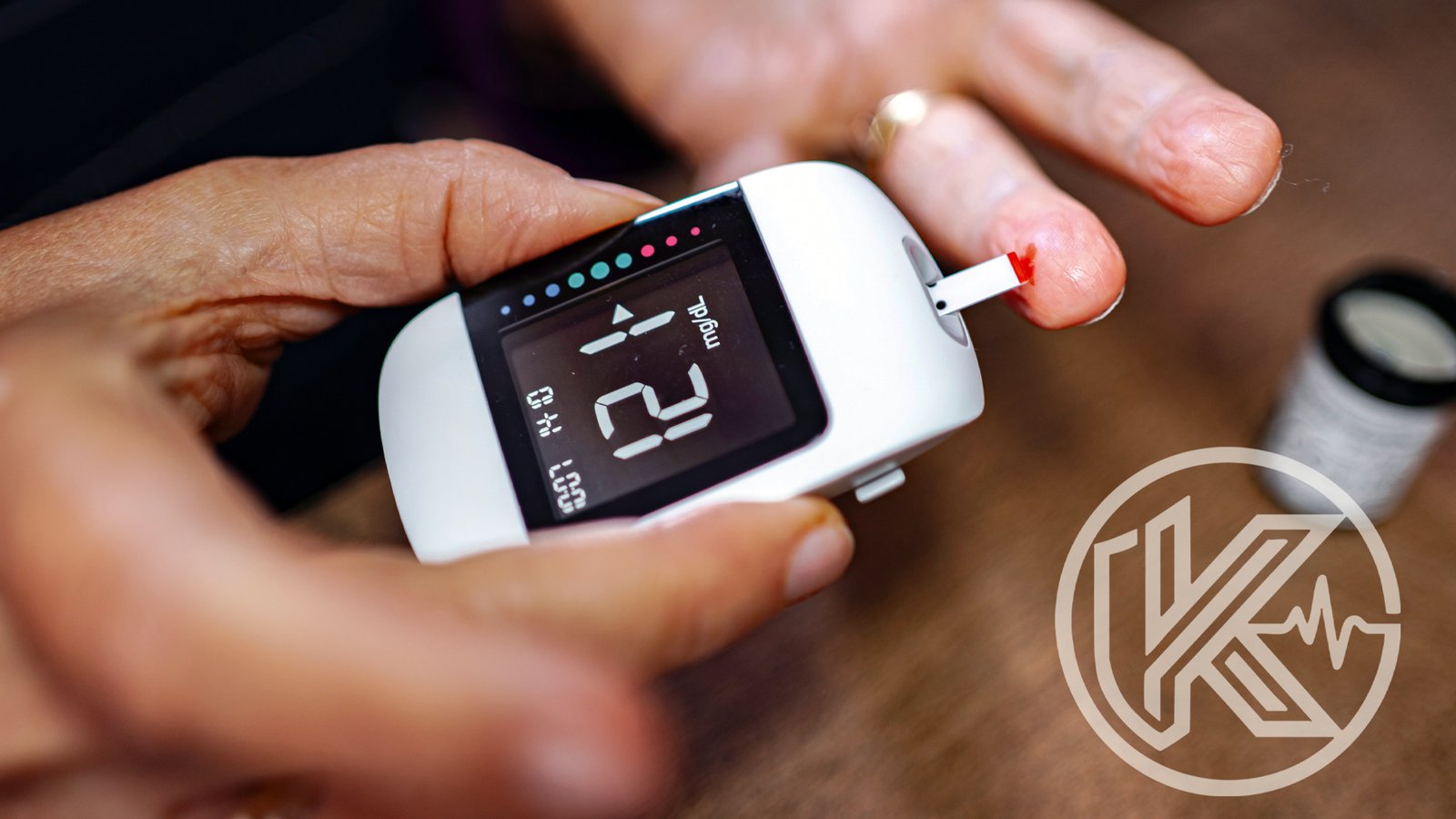
The Hemoglobin A1C test, often called the HbA1c or simply the A1C, is one of the most vital tools in diagnosing and managing diabetes. Unlike a standard finger-prick blood glucose test, which gives a snapshot of your sugar level right now, the A1C provides a three-month average of your blood sugar control.
But for many, the percentage itself remains a mystery. When does this number cross from a minor concern into a serious health risk?
What Exactly is the A1C?
The A1C test measures the percentage of your red blood cells that have glucose (sugar) attached to them (a process called glycation). Red blood cells live for about three months, so the A1C reflects your average blood sugar concentration over that period.
A higher percentage means higher average blood sugar levels, indicating poor control and increased risk for complications.
⚠️ When Should You Be Worried? (The A1C Thresholds)
Medical guidelines (from organizations like the American Diabetes Association – ADA) define clear ranges to help you understand your risk level.
| A1C Result Range | Health Status Interpretation | Action Required |
| Below 5.7% | Normal | You have normal blood sugar metabolism. |
| 5.7% to 6.4% | Prediabetes | Start worrying now. Your blood sugar is elevated but not yet high enough for a diabetes diagnosis. This is the critical window for intervention. |
| 6.5% and Above | Diabetes | Significant concern. This level confirms a diagnosis of diabetes. The risk of long-term complications begins to climb sharply. |
| 7.0% and Above (for diagnosed diabetics) | Poorly Controlled | Immediate concern. This is the general target goal for most diagnosed diabetics. Levels above this signal inadequate control and high risk. |
| 8.0% and Above | Very High Risk | Urgent concern. Indicates chronically high blood sugar, significantly accelerating the risk of severe complications. |
Export to Sheets
The Critical “Worry” Zone: Prediabetes (5.7% – 6.4%)
If your result falls in the prediabetes range, this is the time to panic… and then act.
This range is not a minor warning; it signifies that the body’s cells are becoming resistant to insulin. The good news is that prediabetes is often reversible. Studies have shown that modest weight loss (5-7% of body weight) and increased physical activity can reduce the risk of progressing to full-blown Type 2 Diabetes by nearly 60%.
Why High A1C Matters: The Long-Term Danger
The real reason to worry about a high A1C is the irreversible damage that high blood sugar causes over time. When glucose constantly sticks to proteins in your blood, it leads to complications such as:
- Microvascular Damage: Damage to the small blood vessels in the eyes (leading to blindness/retinopathy) and the kidneys (leading to kidney failure/nephropathy).
- Neuropathy: Nerve damage, particularly in the feet and hands, leading to numbness, tingling, and pain.
- Macrovascular Disease: Increased risk of blockages in major arteries, leading to a higher incidence of heart attacks and strokes.
Key Takeaway for Diabetics
If you have already been diagnosed with diabetes, the A1C is your most important benchmark. Your doctor will likely set a target below 7.0%. If your reading consistently stays at 8.0% or higher, it means your current treatment plan (diet, exercise, or medication) is failing to protect you, and immediate adjustments are necessary to safeguard your future health.
