
Writen by
Kalkaalo Medical
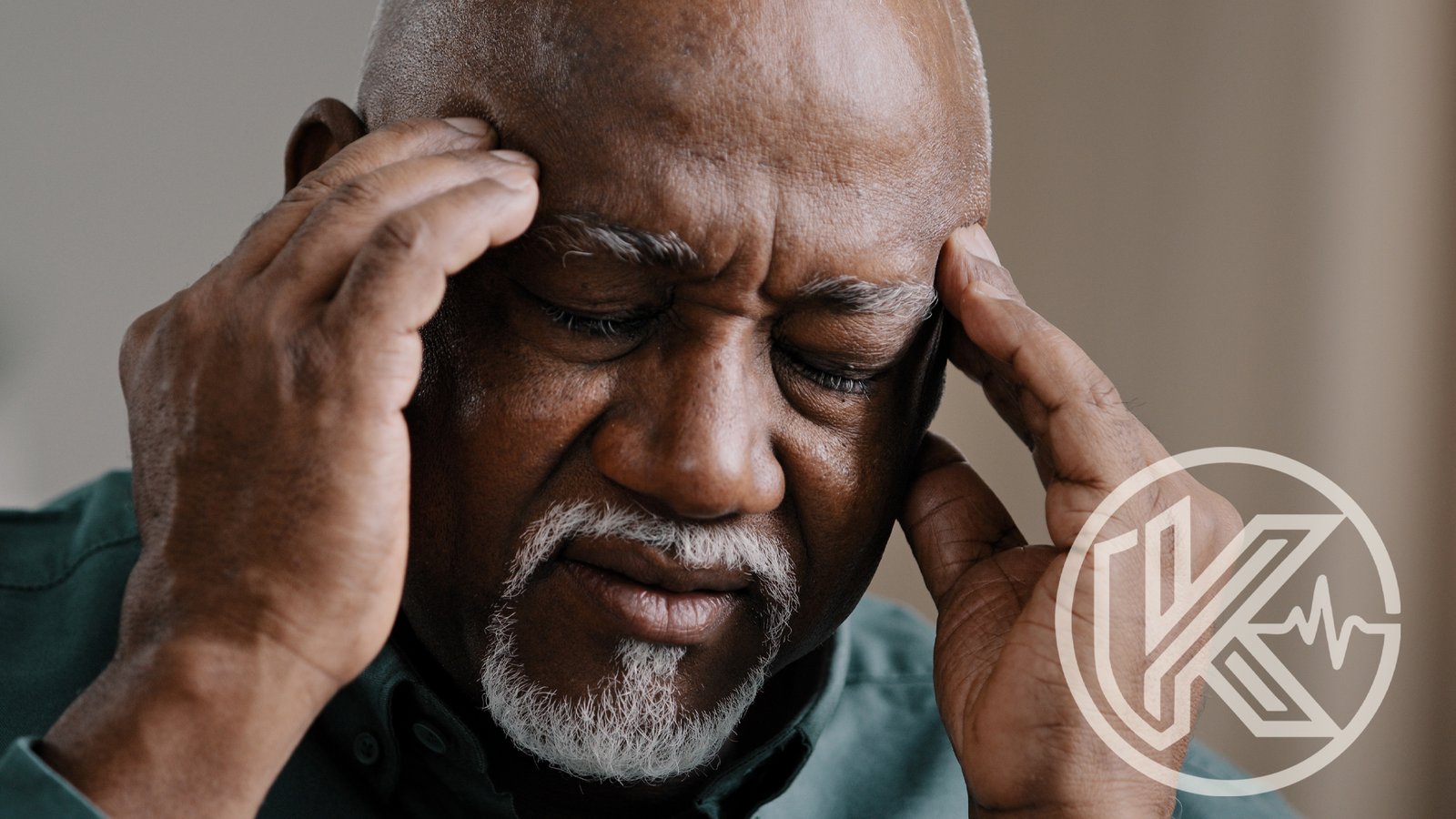
Headaches are one of the most common physical complaints in the world. Almost everyone experiences them—from a mild, annoying throb to a severe, debilitating migraine—at some point in their lives. For the most part, they are harmless, a temporary inconvenience easily remedied with a pain reliever and some rest. But occasionally, a headache can be a sinister sign of a serious, underlying condition.
Knowing the difference between a “normal” headache and a potentially dangerous one is crucial for your health. This guide will help you understand when to simply reach for an over-the-counter pill, and when to seek urgent medical attention.
😌 The “Normal” Headache: Annoying, But Not Alarming
Most headaches fall into the category of “primary headaches,” meaning the pain itself is the main issue, and they are not caused by another medical condition. While unpleasant, these types typically respond well to standard treatments and do not signal a life-threatening problem.
1. The Tension-Type Headache
- Description: This is the most common type. It often feels like a constant, dull ache or pressure surrounding your entire head, sometimes described as a tight band squeezing the skull.
- Triggers: Stress, anxiety, fatigue, poor posture, and dehydration are common culprits.
- Safety: Generally safe. They are not associated with serious illness. They usually last from 30 minutes to a few hours and fade with rest or simple pain relievers (like ibuprofen or acetaminophen).
2. Migraines
- Description: Far more severe than a tension headache, migraines are a neurological condition causing throbbing, pounding pain, often on one side of the head.
- Accompanying Symptoms: They are frequently accompanied by nausea, vomiting, and extreme sensitivity to light (photophobia) and sound (phonophobia). Some people experience an “aura” (visual disturbances) beforehand.
- Safety: Not life-threatening, but debilitating. While severe, they are usually a chronic condition managed through lifestyle changes and prescribed medication, not a medical emergency, unless there is a sudden, extreme, and unusual change in your typical pattern.
3. Other Benign Headaches
- Dehydration Headache: Resolves quickly after drinking water.
- Caffeine Withdrawal Headache: Appears if you suddenly stop or drastically reduce caffeine intake.
- Sinus Headaches: Pain and pressure around the forehead, eyes, and cheeks, often with nasal congestion.
🚨 The “Red Flags”: When a Headache is Dangerous
A headache is considered a secondary headache when it is a symptom of an underlying medical issue, which can sometimes be life-threatening. These are the “red flags” that should prompt an immediate trip to the emergency room.
| Red Flag Symptom | Potential Underlying Cause | Action Required |
| Sudden, Severe “Thunderclap” Headache | Aneurysm rupture or bleeding in the brain (subarachnoid hemorrhage). | Immediate Emergency Care. This is often described as the “worst headache of your life,” reaching maximum intensity within seconds to a minute. |
| Headache with Fever & Stiff Neck | Meningitis (inflammation of the membranes covering the brain and spinal cord). | Immediate Emergency Care. A stiff neck, sensitivity to light, and rash are other key signs. |
| Headache After Head Trauma | Concussion, internal bleeding, or swelling in the brain. | Urgent Medical Evaluation. Even if the injury seems minor, a worsening headache following a blow to the head requires attention. |
| Headache with Neurological Symptoms | Stroke, brain tumour, or other serious structural problems. | Immediate Emergency Care. Look for sudden difficulty speaking, weakness, numbness on one side of the body, confusion, or changes in vision/balance. |
| A New Type of Headache After Age 50 | Temporal Arteritis (inflammation of blood vessels in the head) or other serious causes. | Urgent Doctor’s Visit. Any new, persistent, or worsening headache pattern in an older adult needs investigation. |
| Headache That Wakes You From Sleep | Potential sign of increased pressure within the skull. | See a Doctor. Headaches should not typically interrupt sleep. |
| Headache Worsened by Coughing, Sneezing, or Straining | Could indicate abnormal pressure or a structural issue. | See a Doctor. |
Export to Sheets
💡 The Bottom Line
While the majority of headaches are temporary annoyances, listen to your body. If a headache is different from any you’ve experienced before, particularly if the pain is explosive and sudden, or if it is accompanied by other severe symptoms like fever or neurological changes, do not wait.
In all other cases, if you find yourself relying on over-the-counter pain relievers more than two or three times a week, or if chronic headaches are disrupting your daily life, it’s time to schedule a non-emergency appointment with your healthcare provider. They can help identify triggers and develop a plan to manage the pain, ensuring that your head pain stays in the realm of the “normal” and manageable.
Disclaimer: This blog post is for informational purposes only and is not a substitute for professional medical advice, diagnosis, or treatment. Always seek the advice of a qualified health provider with any questions you may have regarding a medical condition.
